AXESS POWER Mobility and Utility Vehicle Batteries
Deep-Cycle Duty
Designed for repeated discharge and recharge.
Personal Mobility
Suitable models for compatible scooters and powered wheelchairs.
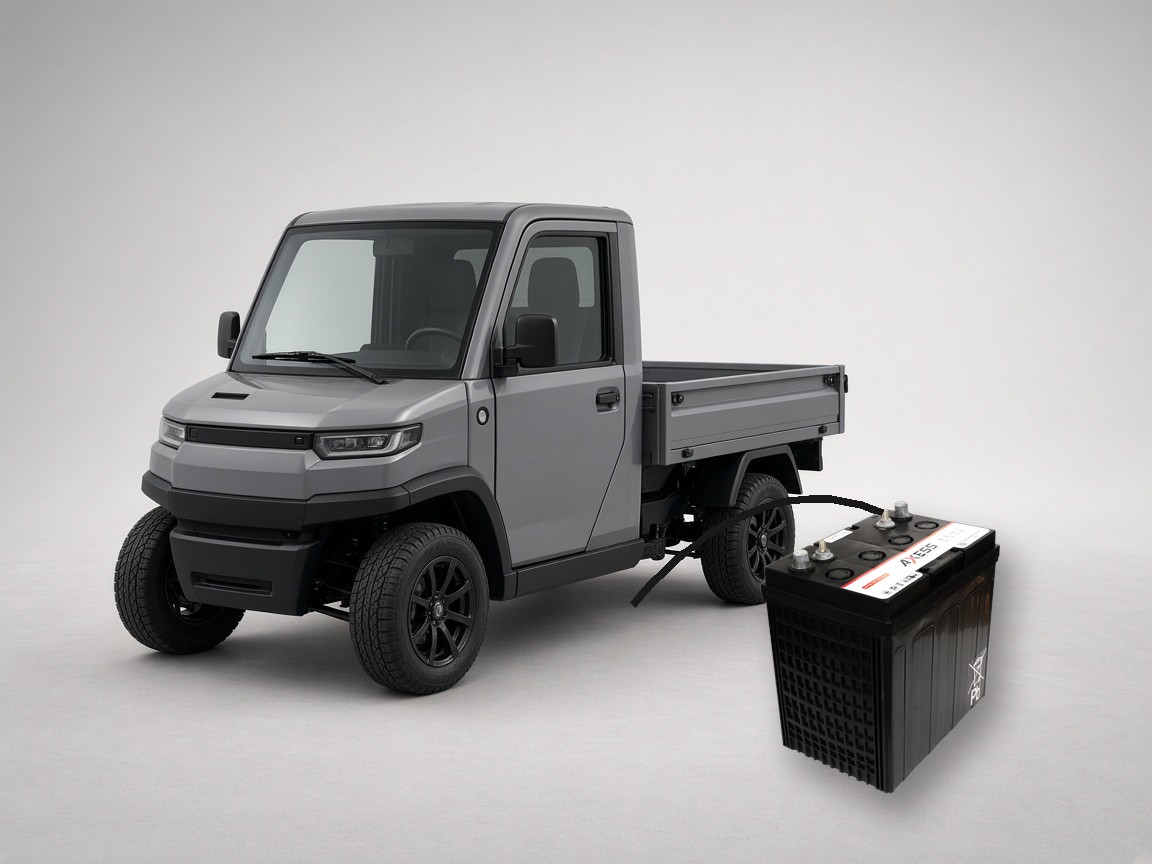
Utility Vehicle Applications
Power for compatible service and transport carts.
Replacement Guidance
Battery selection matched to vehicle specifications.
Deep-Cycle Power for Daily Movement
Explore the AXESS POWER Mobility and Utility Battery Range
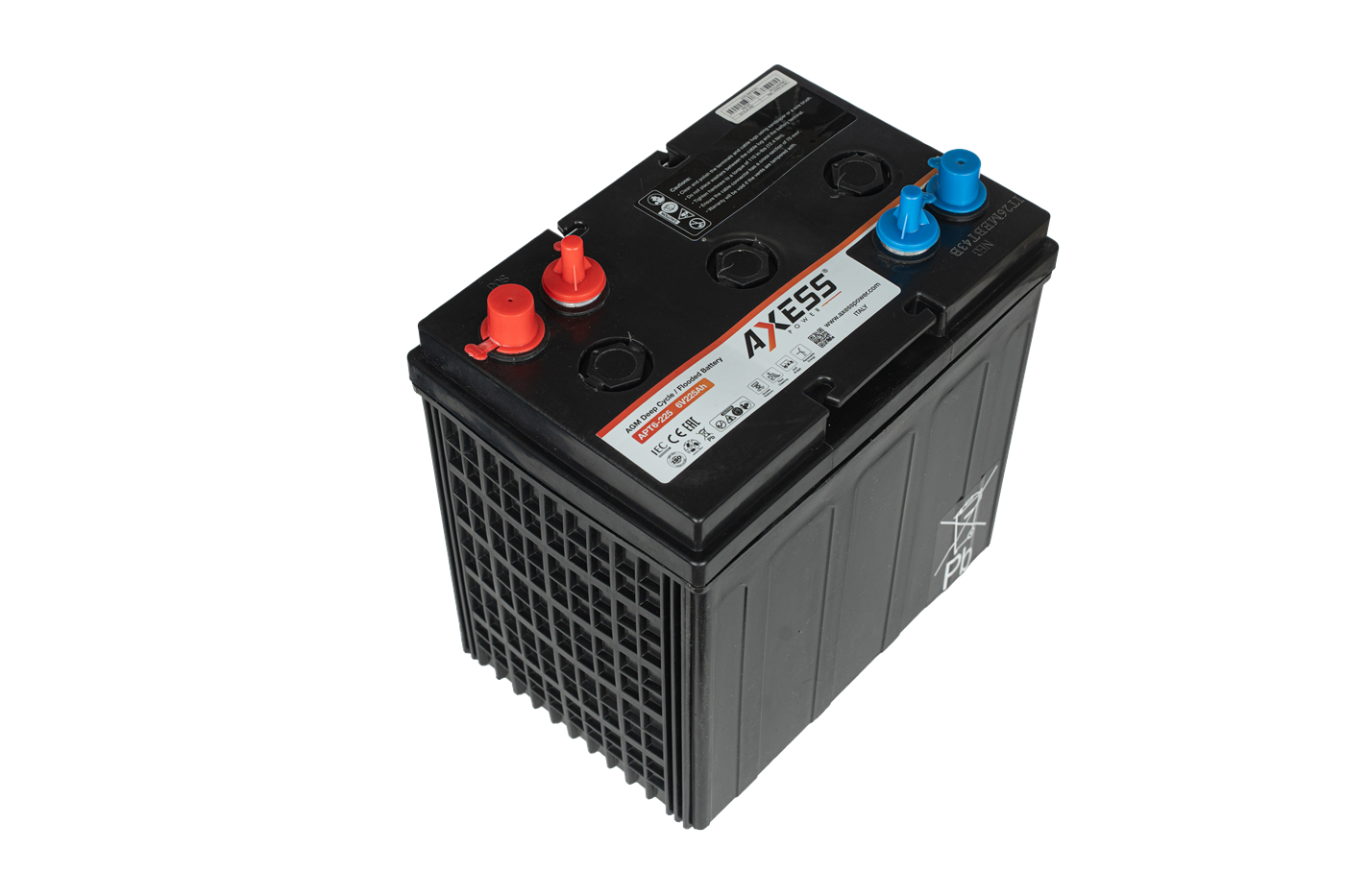
AXESS POWER APT6-225 — 6V 225Ah Deep-Cycle Battery
AXESS POWER APT8-165 — 8V 165Ah Deep-Cycle Battery
AXESS POWER APT12-100 — 12V 100Ah Deep-Cycle Battery
AXESS POWER APT12-150 — 12V 150Ah Deep-Cycle Battery
Why Choose AXESS POWER Mobility and Utility Vehicle Batteries?
Designed for Repeated Cycling
Deep-cycle batteries for compatible equipment requiring regular discharge and recharge.
Capacity Matched to Daily Use
Select battery capacity around travel distance, operating hours, passenger or cargo load and charging opportunities.
Application-Specific Selection
Identify suitable models for personal mobility equipment or commercial utility vehicles according to their individual requirements.
Practical Replacement Matching
Check voltage, dimensions, weight, terminals, battery construction and charger compatibility before ordering.
Support for Individual and Fleet Requirements
Plan battery replacements for a single vehicle or a fleet used in daily site operations.
Clear Technical Information
Review model specifications, charging requirements and applicable warranty terms to support a confident purchasing decision.
Batteries for Mobility Equipment and Electric Utility Vehicles
Mobility Scooters
Suitable battery models for compatible scooters used for personal travel and everyday mobility.
Powered Wheelchairs
Battery selection for compatible powered wheelchairs, with particular attention to manufacturer-specified construction, dimensions, terminals and charging requirements.
Electric Service Carts
Deep-cycle battery solutions for compatible vehicles used by maintenance, housekeeping and site operations teams.
Electric Cargo and Transport Carts
Battery selection for compatible vehicles carrying tools, equipment and supplies within managed facilities.
Electric Personnel Carriers
Power for compatible vehicles transporting staff or passengers across large sites.
Supporting Mobility and Site Transport Across the Middle East
Personal Mobility
Replacement battery enquiries for compatible mobility scooters and powered wheelchairs.
Healthcare and Care Facilities
Battery solutions for compatible mobility equipment and electric support vehicles.
Hotels and Resorts
Power for service carts supporting housekeeping, maintenance and internal transport.
Residential Communities
Batteries for compatible vehicles used in estate services and community operations.
Commercial and Industrial Facilities
Deep-cycle power for utility vehicles moving personnel, tools and supplies around managed sites.
Airports and Large Campuses
Battery solutions for compatible personnel carriers and service vehicles operating across extensive facilities.
Find the Right Replacement Battery for Your Vehicle
Vehicle
Battery Configuration
Capacity
Battery Construction
Installation
Connections
Charger
Daily Usage
Keep Your Vehicle Ready for the Next Journey
Charging and climate
Follow the model instructions, and allow for ambient temperature and ventilation in the charging area.
Specifications on request
Datasheets, care instructions and warranty terms are sent with the quotation.
Frequently asked questions
What battery does a mobility scooter or powered wheelchair need?
The required battery depends on the equipment manufacturer’s specifications. Confirm battery construction, voltage, capacity, dimensions, terminals and charger compatibility before choosing a replacement.
Can the same battery be used in a mobility scooter and a utility vehicle?
Only if it meets the specifications of both applications. Similar voltage or Ah ratings do not establish suitability. Battery construction, discharge capability, dimensions and connections must also match.
How do I select a replacement utility vehicle battery?
Check the vehicle model, battery voltage, Ah rating, quantity, dimensions, weight, terminals and charger requirements. Also consider the vehicle’s workload and daily operating schedule.
Will a higher Ah battery provide more driving range?
A higher Ah rating can provide more stored capacity when compared at the same voltage and rating conditions. Actual range depends on vehicle efficiency, passenger or cargo weight, terrain, battery condition and temperature. Installation fit and charger compatibility must still be checked.
Can I use an automotive starting battery?
Use the battery type specified by the equipment manufacturer. Automotive starting batteries primarily supply short bursts of power, while electric mobility and utility vehicles require sustained energy and repeated cycling.
Can I change the battery type in my vehicle?
A change in battery construction may require different charging settings or equipment. Confirm compatibility with the vehicle and battery manufacturers before making a change.
How long do mobility and utility vehicle batteries last?
Service life depends on the battery model, depth of discharge, charging practices, operating temperature and maintenance. Refer to model-specific information rather than a general lifespan claim.
What information is needed for a quotation?
Provide the vehicle make and model, existing battery label, battery quantity per vehicle, charger details, required quantity and delivery location.