AXESS POWER Aerial Work Platform Batteries
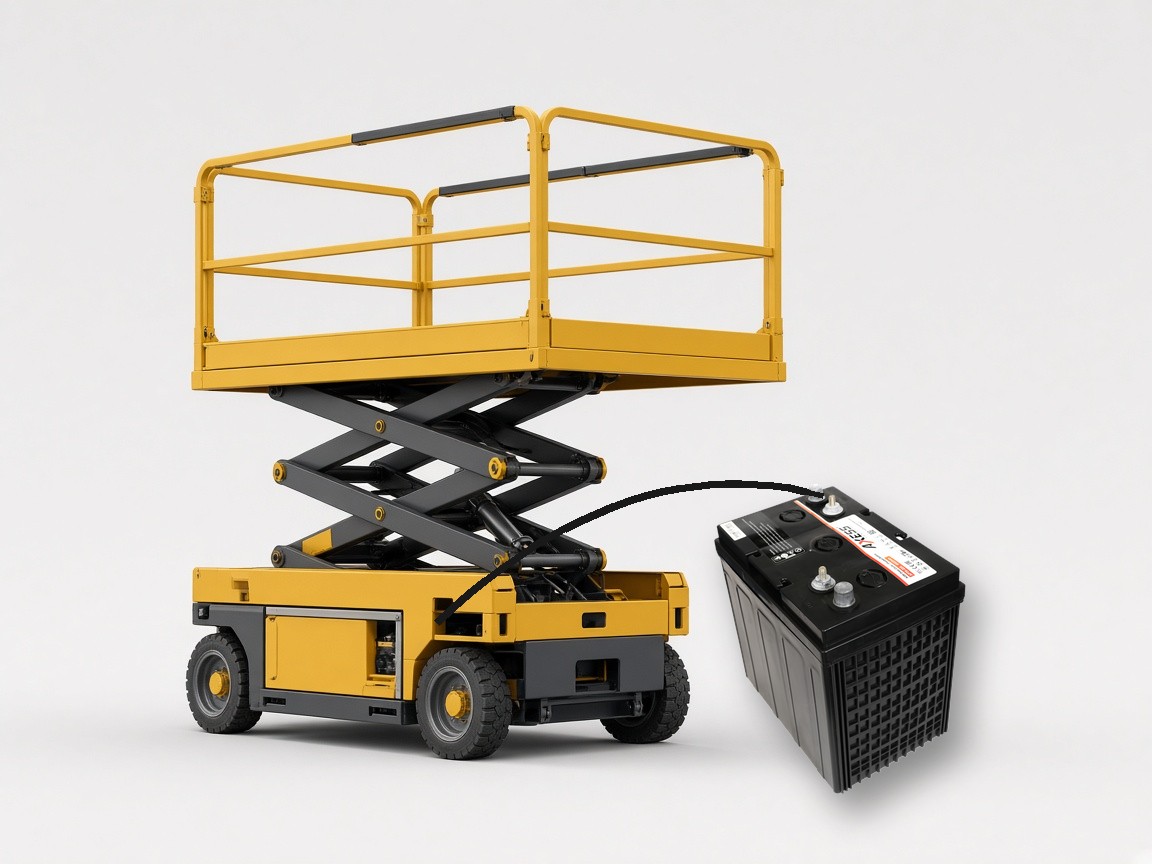
Deep-Cycle Duty
Designed for repeated discharge and recharge.
Powered Access Applications
Batteries for compatible electric lifts and platforms.
Replacement Solutions
Selection matched to equipment specifications.
Fleet Requirements
Support for equipment owners and rental fleets.
Deep-Cycle Power for Demanding Access Equipment
Explore the AXESS POWER Aerial Platform Battery Range
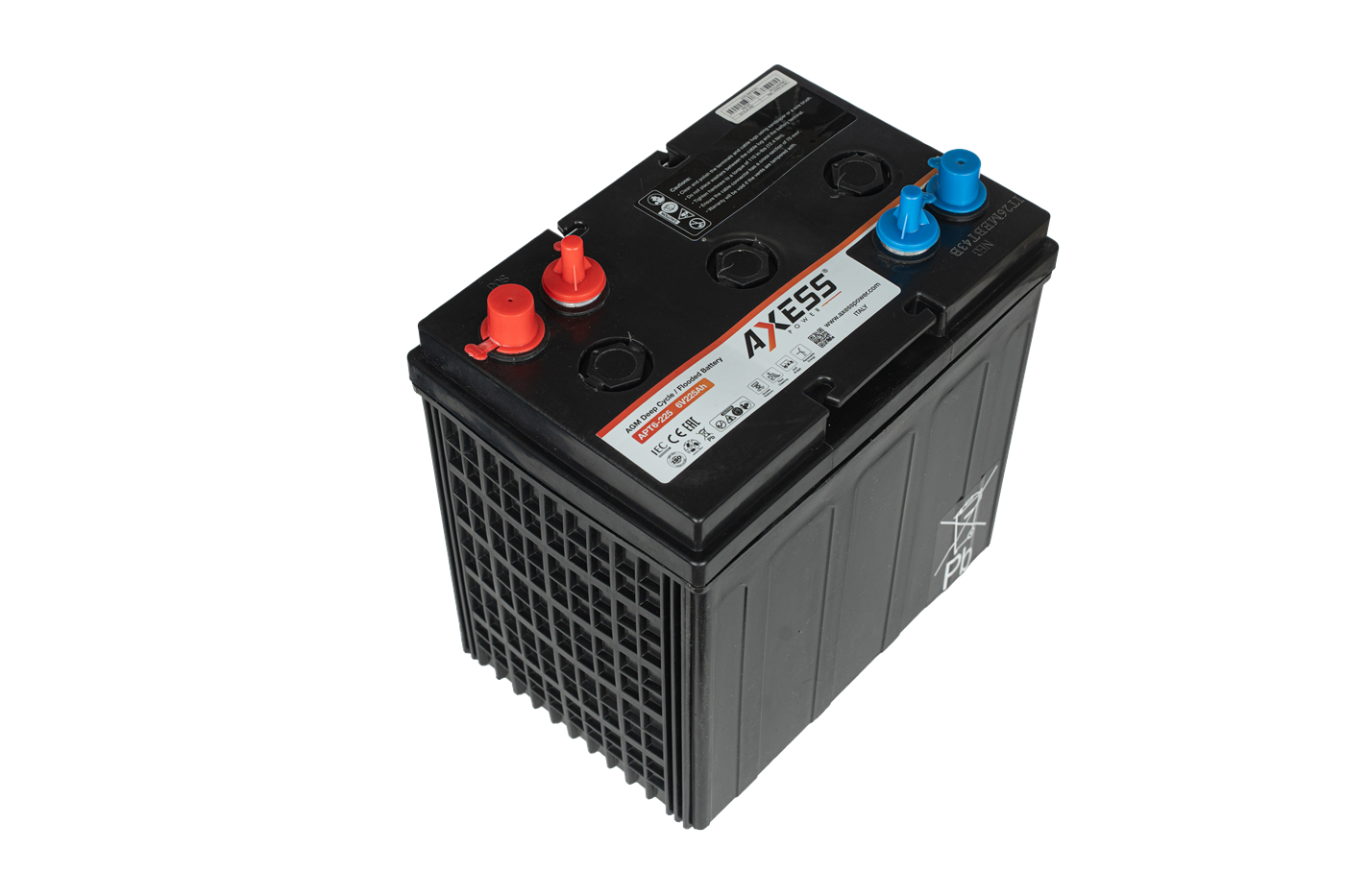
AXESS POWER APT6-225 — 6V 225Ah Deep-Cycle Battery
AXESS POWER APT8-165 — 8V 165Ah Deep-Cycle Battery
AXESS POWER APT12-150 — 12V 150Ah Deep-Cycle Battery
Why Choose AXESS POWER Aerial Work Platform Batteries?
Designed for Repeated Cycling
Deep-cycle batteries for compatible access equipment requiring regular discharge and recharge.
Power for Travel and Lift Functions
Select a model with the capacity and discharge capability required by the machine’s drive and lifting systems.
Capacity Matched to the Working Day
Plan battery requirements around operating hours, travel distances, lift cycles and available charging time.
Equipment-Specific Replacement Selection
Match voltage, dimensions, weight, terminals and battery construction to the machine’s requirements.
Support for Rental and Owned Fleets
Coordinate replacement requirements around equipment utilisation, battery condition and maintenance schedules.
Technical Information for Confident Purchasing
Review model specifications, charging requirements and applicable warranty terms before ordering.
Batteries for Electric Scissor Lifts and Access Platforms
Electric Scissor Lifts
Deep-cycle battery solutions for compatible platforms used in installation, inspection and maintenance work.
Electric Articulating Boom Lifts
Battery selection for compatible machines providing access around obstacles and into difficult-to-reach work areas.
Electric Vertical Mast Lifts
Power for compatible compact access machines used in warehouses, commercial buildings and managed facilities.
Battery-Powered Personnel Lifts
Battery solutions for compatible personnel access equipment used for routine elevated work.
Supporting Access Operations Across the Middle East
Construction and Fit-Out
Battery solutions for electric access equipment used in building services installation and interior finishing work.
Warehouses and Logistics Centres
Power for compatible platforms supporting lighting, racking and building maintenance.
Facility Management
Batteries for equipment used in inspections, repairs and scheduled maintenance across managed properties.
Shopping Centres and Hotels
Battery solutions for access platforms used in ceiling, lighting and building-services maintenance.
Factories and Industrial Facilities
Power for compatible electric access equipment supporting production-area maintenance and installation tasks.
Equipment Rental Companies
Replacement battery planning for rental fleets with varying utilisation and charging schedules.
Find the Right Replacement Battery for Your Aerial Work Platform
Equipment
Battery Configuration
Capacity
Discharge Capability
Installation
Connections
Charger
Daily Usage
Keep Your Access Equipment Ready for Work
Charging and climate
Follow the model instructions, and allow for ambient temperature and ventilation in the charging area.
Specifications on request
Datasheets, maintenance instructions and warranty terms are sent with the quotation.
Frequently asked questions
What type of battery does an aerial work platform need?
Battery-powered aerial work platforms require batteries suited to their operating duty and electrical requirements. Confirm the specified battery construction, voltage, capacity, weight and configuration using the equipment manufacturer’s documentation.
Are scissor lift batteries the same as automotive batteries?
They serve different duties. Automotive starting batteries primarily deliver a short burst of power to start an engine. Battery-powered scissor lifts require sustained energy and repeated cycling. Use batteries specified for the equipment.
How do I choose a replacement scissor lift battery?
Check the equipment model, battery voltage, Ah rating, quantity, dimensions, weight, terminals and charger compatibility. Also confirm that the selected battery can meet the machine’s discharge requirements.
Why does battery weight matter in an aerial work platform?
Battery weight can form part of the machine’s designed mass and stability requirements. A replacement must meet the manufacturer’s specified battery-weight limits and installation requirements.
Will a higher Ah battery provide longer operating time?
A higher Ah rating can provide more stored capacity when compared at the same voltage and rating conditions. Actual operating time depends on travel, lift cycles, load, battery condition and temperature. Physical fit, weight requirements and charger compatibility must also be checked.
Can I change the battery type in my access platform?
A change in battery construction may require different charging settings or equipment. Confirm compatibility with the equipment and battery manufacturers before changing the battery type.
How long do aerial work platform batteries last?
Service life depends on the battery model, operating duty, depth of discharge, charging practices, temperature and maintenance. Refer to model-specific information rather than a general lifespan claim.
What information is needed for a quotation?
Provide the equipment make and model, existing battery label, battery quantity per machine, charger details, required quantity and delivery location.